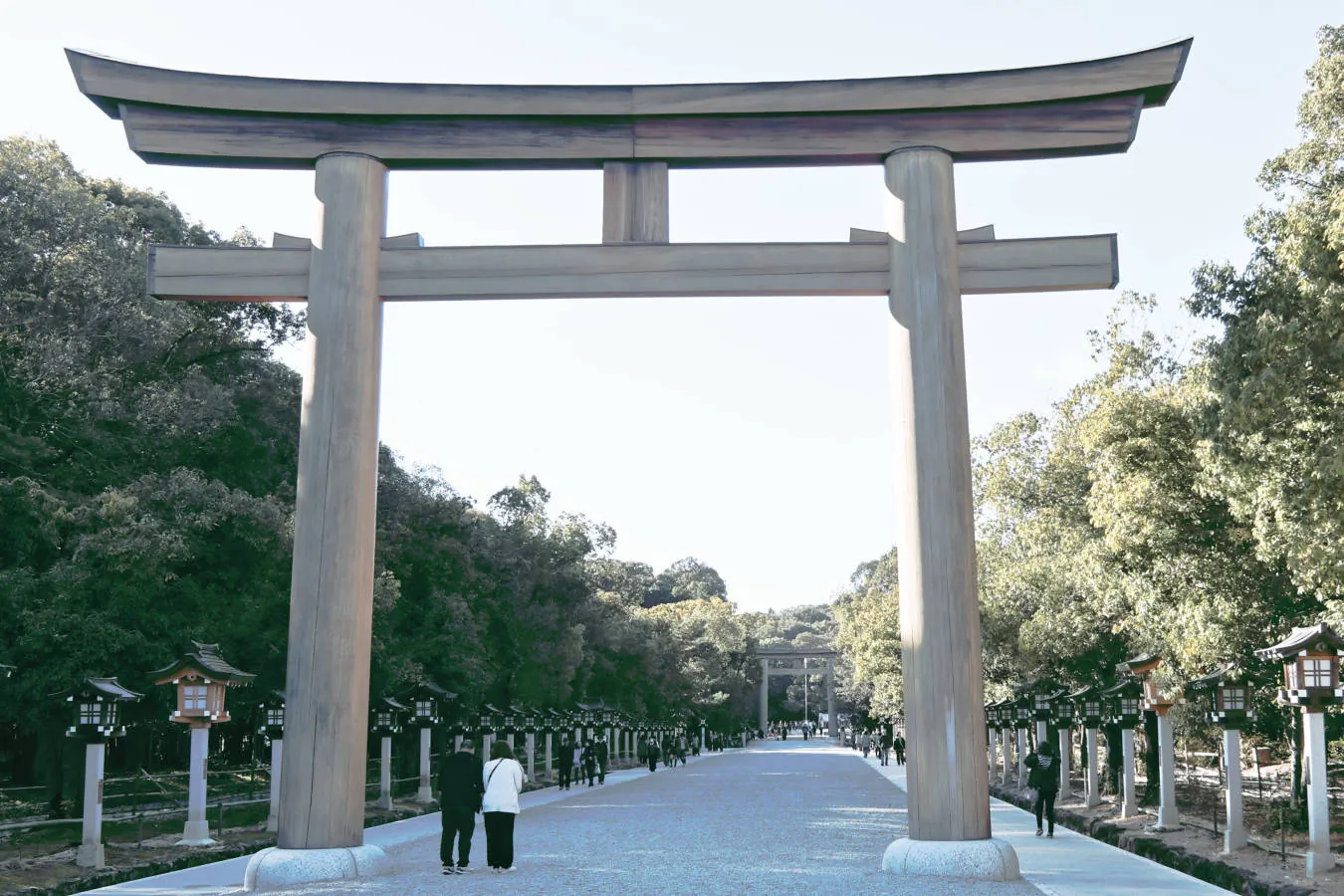
Purification for Disharmony and Absorption of Foreign Philosophies without Conflict
What does it feel like to mend rather than to conquer?
Chapter 1. The Shintō OS – A Cultural Engine You Never Chose Part2 Framing kegare as stagnation rather than sin, we find how Japan purifies disharmony while absorbing diverse foreign philosophies without conflict.
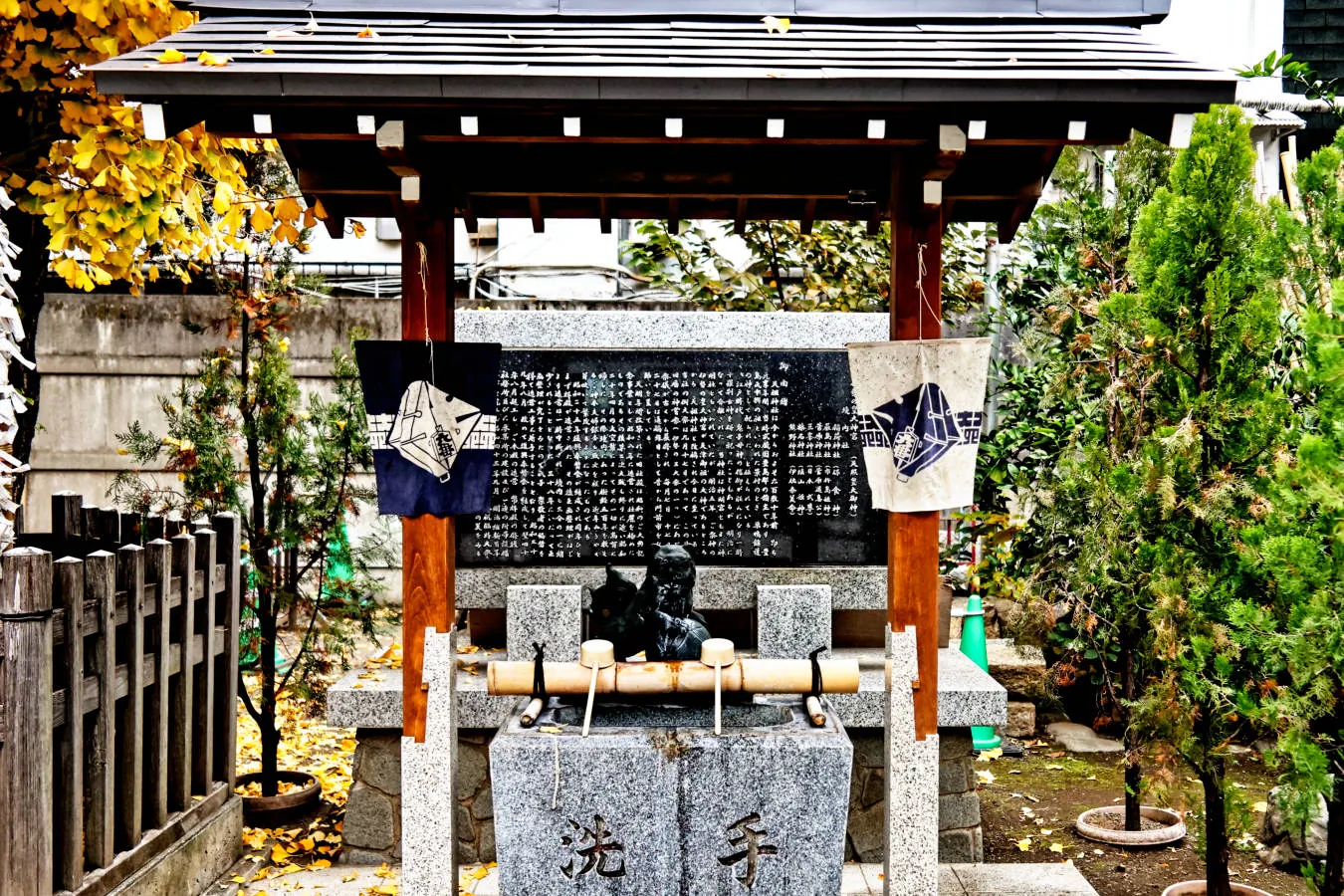
Image: 手水屋(Chōzuya)A purification pavilion at the shrine entrance At the Chōzuya, visitors ritually cleanse their hands (and mind) before approaching the sacred object.
In , is not a label for filth or taboo. I sense it names something more interior—a state in which desire, anger, the wish for revenge, and jealousy accumulate until the heart becomes increasingly troubled and disturbed.
Japanese myth does show gods who rampage, beings who bring calamity. But these are rarely "evil" in the deliberate, authored sense. They arrive more like typhoons, earthquakes, plagues—inevitable trials that no one summoned on purpose.
And so the myths' episodes of subduing or striking down read not as a war against absolute evil but as a way of drawing a line through chaos—a response that lets people resume living alongside the world again. What sits at the end is never domination. It is , it is : acts of calming, purification, and restoring a state of harmony.
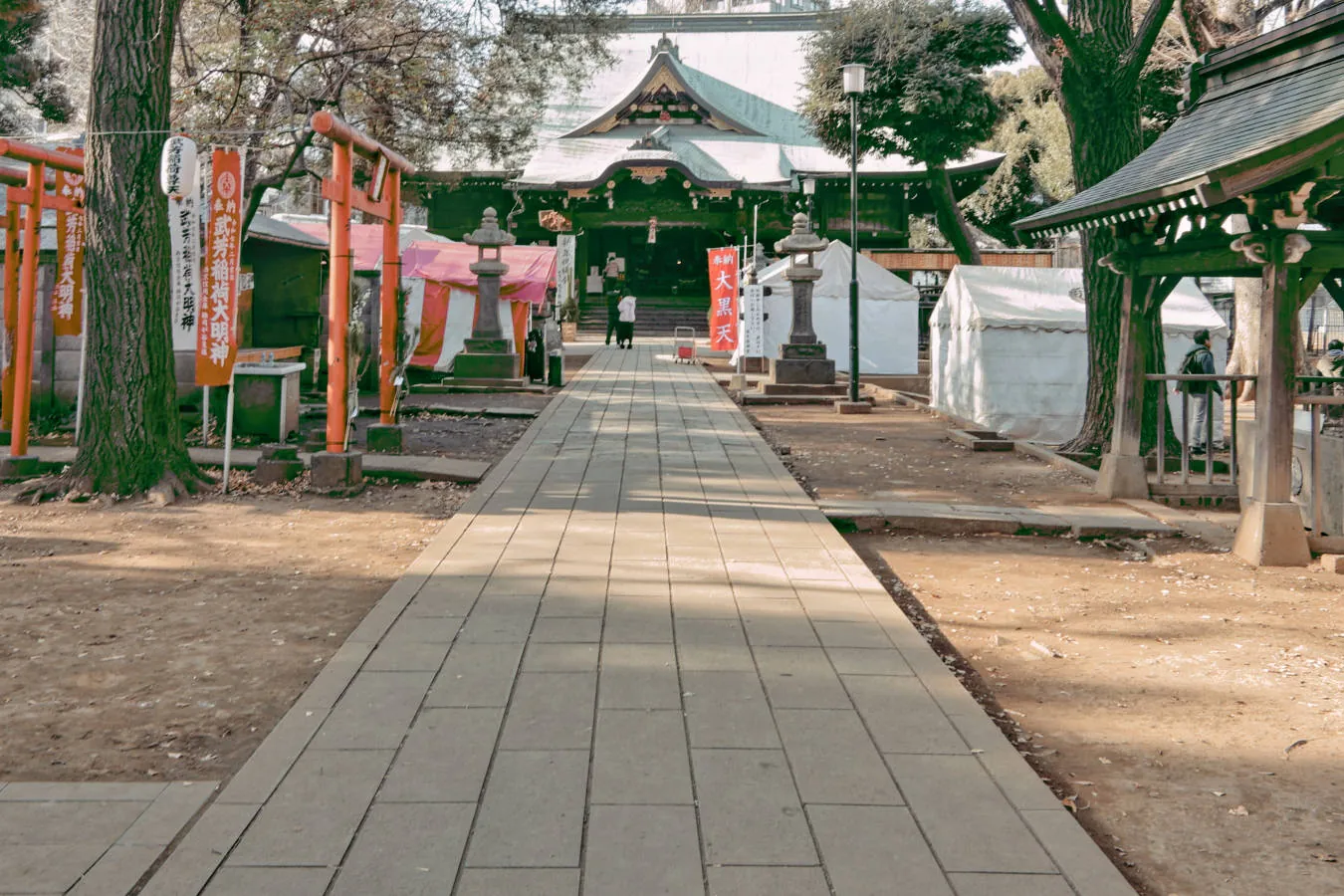
鬼子母神堂(豊島区)=Kshibojindo, Toshima Tokyo Architectural mix of Shito and BuddhismBuilt in 1664, Zoshigaya Kishimojin-do is a rare Buddhist hall featuring traditional Shinto shrine architecture. Its design perfectly preserves Japan's history of Shinto-Buddhist syncretism.
A Depth That Does Not Reject What Arrives From Outside
A worldview where nothing escapes causality. A sensibility that asks not "how do we eliminate disorder?" but "how do we gather the scattered threads and return to daily life?" These impulses find concrete expression through history.
Japan received , , , —each arriving from outside, each carrying its own internal logic—and did not expel them. Nor did it enshrine any one as absolute authority. Some were woven in closely; others held at a measured distance; occasionally there was friction, even resistance. Over time, each was gradually drawn into the Japanese context.
What I see here is not an attempt to govern the world through a single principle. It is a practical, embodied response to —a life that will not stay still. If even gods could not step outside causality, then no culture can fully command what arrives at its borders. And so the choice was never exclusion versus acceptance as two sealed doors. It was engagement: facing outward, pushing back where needed, receiving, and—when necessary—drawing a clean line through the mess. That accumulation, that patient layering, is what gives Japanese culture its particular depth of capacity to hold contradictory things without collapsing.
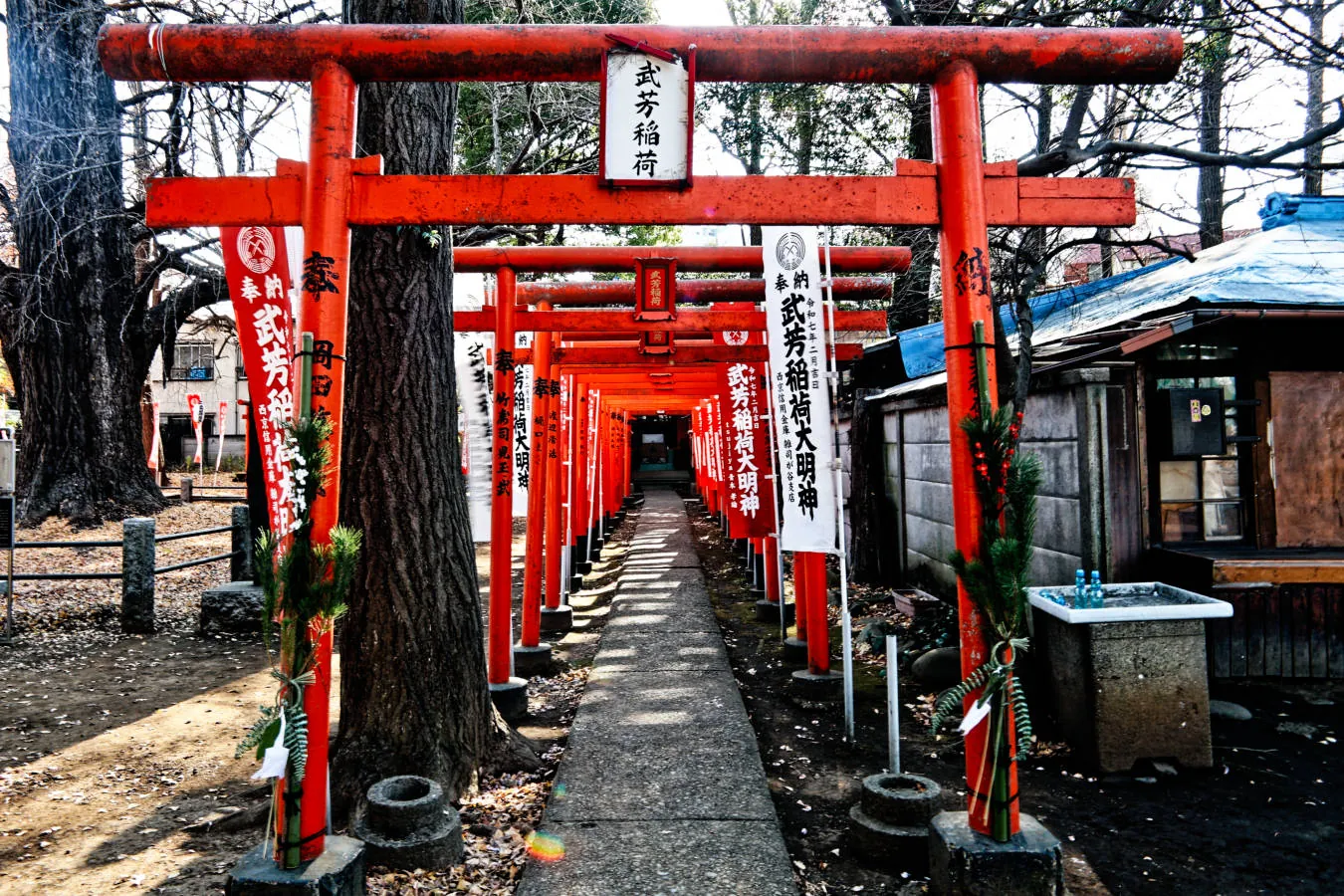
鬼子母神堂(豊島区)=Kshibojindo, Toshima Tokyo Architectural mix of Shito and BuddhismThis is a Buddhist temple, yet its form follows Shinto tradition — a quiet remnant of Shinbutsu-shūgō, the historical blending of Shinto and Buddhism in Japan.
The Invisible OS Beneath Japanese Culture: A Basal Layer, Not a Doctrine
Stacking these observations, one thing becomes clear: Japanese culture was never unified by a single doctrine or creed. What held it together was a sub-layer—always present, rarely named, running beneath behavior and judgment like bedrock beneath a visible floor. I call it the again, though "" here means not a religion with scripture but a relational grammar: sensing toward nature and unseen presence, reading the world's condition as a state to be arranged rather than a verdict to deliver. Toward outside thought, the posture is neither collision nor erasure but layering—placing one pattern atop another until both can breathe.
These qualities then branch outward into concrete forms: etiquette, gesture, negative space, silence, an aesthetic sense so natural it stops being noticed. They become "the way things are done here," unremarkable in their ordinariness. And yet they carry a strange flexibility—belonging entirely to one soil while remaining capable of quiet connection with any other soil the moment contact is made.
I am not a scholar. This is not theology, nor cultural theory in an academic sense. I was born and raised in Japan, grew up within a family of artisans, spent years abroad—and when I tried to name the unexplained order running beneath all social surfaces, the metaphor that fit most snugly was "." And it is no relic sealed in museum glass. It runs now, in the unspoken architecture of daily life we produce and inherit without thinking about it.
Card Folio • 空間語彙のカルタ
Three Spatial Lexicons: The Sacred Karuta Folio
Tap or hover over each consecrated archetype to reveal its spatial mechanics and philosophical gloss. (各カルタをクリックまたはホバーすると、空間構造と注釈が開きます)
八Miryad of Spirits
Yaoyorozu no Kami
八百万の神
Animistic Belief
八FOLIO 01
八百万の神 Yaoyorozu no Kami
Animistic Belief
「数え切れないほど無数に存在する自然界の神」を指す古代の表現。道具にも霊威を認める。
The animistic outlook that myriad spirits dwell in mountains, rivers, trees, animals, and even everyday tools. 'Yaoyorozu' means an uncountable multitude rather than a literal number.
FOLIO 01
手A Water Pavilion
Chōzuya
手水屋
Visitors Purification
手FOLIO 02
手水屋 Chōzuya
Visitors Purification
川や海で全身を洗い清めた古代の禊を、手と口のみに凝縮した設備。柄杓で左右の手と口を清める。
A water pavilion at shrine entrances where visitors rinse their hands and mouth with a ladle, condensing the ancient practice of bathing the whole body in a river or sea into a symbolic gesture.
FOLIO 02
正Walking on Path Edges
Seichū
正中への配慮
The quiet etiquette
正FOLIO 03
正中への配慮 Seichū
The quiet etiquette
参道の中央は神様の通り道とされるため、敬意を払い端を歩く不文律。
Etiquette for walking the sandō, the approach path to a shrine, often a long forest or mountain trail: its center, seichū, is the deities' passage, so visitors keep to the sides.
FOLIO 03
神Sacred Synthesis
Shinbutsu-shūgō
神仏習合
Harmonious Coexistence
神FOLIO 4
神仏習合 Shinbutsu-shūgō
Harmonious Coexistence
明治の神仏分離以前は、神社に神宮寺が併設され、僧侶が社を管理し神前で読経していた。
The long-standing fusion of Shintō and Buddhism, in which native kami and imported Buddhas were worshipped together; temples stood within shrines until the Meiji government ordered their separation in 1868.
FOLIO 4
本Avatars of Compassion
Honji Suijakusetsu
本地垂迹説
Earthly Incarnations
本FOLIO 5
本地垂迹説 Honji Suijakusetsu
Earthly Incarnations
平安期以降、日本の神々は、民を救うため本地である仏が仮の姿で現れた化身とみなされた。
A medieval doctrine holding that Japan's native kami were temporary manifestations of Buddhas, whose true 'original ground' (honji) lay in Buddhism, appearing locally to save people.
FOLIO 5
仏Guiding the Soul
Bukkyō Sōgi
仏式葬儀
Afterlife Transition
仏FOLIO 6
仏式葬儀 Bukkyō Sōgi
Afterlife Transition
死を穢れとして忌避する神道に代わり、仏教が葬儀と来世の導きを担い、江戸期に定着した。
Because Shintō traditionally treats death as kegare, ritual impurity, Buddhism took charge of funerals and guidance toward the afterlife; Edo-period temple registration made Buddhist funerals the norm.
FOLIO 6
初First Sacred Step
Hatsumōde
初詣
Annual Shrine Pilgrimage
初FOLIO 7
初詣 Hatsumōde
Annual Shrine Pilgrimage
古くは恵方参りと呼ばれ、年明け最初の参詣。近代の鉄道会社の集客競争で全国に定着した。
The first shrine or temple visit of the year, made to pray for fortune ahead. Rooted in older lucky-direction pilgrimages (ehō-mairi), it spread nationwide through railway competition.
FOLIO 7
七Fragile Survival
Shichi-Go-San
七五三
Sacred Growth Blessings
七FOLIO 8
七五三 Shichi-Go-San
Sacred Growth Blessings
医療が未発達な時代、「七歳までは神の子」とされ、三・五・七歳の節目に成長を祝った。
A rite of passage around 15 November for children aged three, five, and seven. Because child mortality was high, children under seven were seen as belonging to the deities.
FOLIO 8
除Resonant Cleansing
Joya no Kane
除夜の鐘
108 Midnight Peals
除FOLIO 9
除夜の鐘 Joya no Kane
108 Midnight Peals
百七回を旧年に、最後の一打を新年に撞いて新たな年を迎える。百八は煩悩の数。
Temple bells rung 108 times on New Year's Eve, 107 before midnight and the last after it, to dispel the 108 earthly desires (bonnō) of Buddhist teaching.
FOLIO 9
付Living Utensils
Tsukumogami
付喪神
Awakened Artifacts
付FOLIO 10
付喪神 Tsukumogami
Awakened Artifacts
百年経た道具に魂が宿る信仰。室町期の絵巻に描かれ、物を粗末にせず供養する文化の源流。
Folklore holding that tools and objects gain a spirit after a hundred years of use. Illustrated in Muromachi-period scrolls, it underlies the custom of honoring old objects instead of discarding them.
FOLIO 10
穢Withered Energy
Kegare
穢れ
Spiritual Stagnation
穢FOLIO 11
穢れ Kegare
Spiritual Stagnation
道徳的悪ではなく、「気枯れ」すなわち生命力が衰えた状態とも解され、祓いで回復する。
Not moral sin or evil, but a state of depleted vitality, often explained as ke-gare ('withered energy'), brought on by death or illness and relieved by purification.
FOLIO 11
二Sacred Alignment
Ni-rei, Ni-hai, Ichi-rei
二礼二拍手一礼
Rhythmic Shrine Etiquette
二FOLIO 12
二礼二拍手一礼 Ni-rei, Ni-hai, Ichi-rei
Rhythmic Shrine Etiquette
全国的に統一されたのは明治期の祭式整備以降で、出雲大社の四拍手など例外も多い。
The standard shrine worship sequence: two deep bows, two claps to announce oneself to the kami, one final bow. Standardized in the Meiji era; Izumo Taisha, for one, claps four times.
FOLIO 12
鳥Visible Threshold
Torii to Kekkai
鳥居と結界
Open Spiritual Boundaries
鳥FOLIO 13
鳥居と結界 Torii to Kekkai
Open Spiritual Boundaries
物理的な門扉を持たず、視覚的境界だけで聖域を守る見立ての装置。鳥居をくぐる際は一礼する。
Open gateways, usually of wood, marking the threshold of sacred ground. With no door or wall, they set a kekkai, a boundary visitors honor with a bow on entering.
FOLIO 13
鬼Geomantic Angle
Kimon
鬼門
Defensive Demon Gate
鬼FOLIO 14
鬼門 Kimon
Defensive Demon Gate
京都御所の北東角は鬼門を避けるため凹んでおり、軒下の猿の木像が守る。
The northeast, feared in geomancy as the 'demon gate' where misfortune enters. At the Kyoto Imperial Palace its corner is notched inward and guarded by a carved monkey.
FOLIO 14
常Rhythmic Rebirth
Tokowaka
常若
Perpetual Renewal
常FOLIO 15
常若 Tokowaka
Perpetual Renewal
永遠の不滅ではなく、解体と再創造を繰り返すことで保たれる永遠。式年遷宮が体現する美意識。
A philosophy of perpetual youth in which purity is preserved not by monuments of stone, but by rhythmic cycles of dismantling and rebuilding, as in Ise Jingū's rebuilding every twenty years.
FOLIO 15
式Seamless Handover
Shikinen Sengū
式年遷宮
Twenty-Year Sacred Rebuilding
式FOLIO 16
式年遷宮 Shikinen Sengū
Twenty-Year Sacred Rebuilding
二十年ごとに社殿を造り替え、宮大工の技術を継承。690年に始まり、戦国期に中断を挟む。
Ise Jingū's buildings are rebuilt every twenty years with the deity moved in. Begun in 690 and paused only in the Warring States era, it passes on carpentry skills.
FOLIO 16
禊Primordial Wash
Misogi
禊
River Water Cleansing
禊FOLIO 17
禊 Misogi
River Water Cleansing
黄泉の国から生還したイザナギが、水辺で身を洗い清めた神話が起源。天照大神らが生まれた。
An ancient purification ritual rooted in Shintō myth: Izanagi, returned from the land of the dead, washed in water, and Amaterasu was born. Cold water cleanses pollution.
FOLIO 17
金Golden Scars
Kintsugi
金継ぎ
Illuminated Fractures
金FOLIO 18
金継ぎ Kintsugi
Illuminated Fractures
伝承では、足利義政の割れた中国製茶碗が鎹で修理されて戻り、漆と金の繕いが磨かれた。
The art of mending broken ceramics with lacquer and powdered gold, leaving cracks visible as part of the object's history. Legend links it to Ashikaga Yoshimasa and a Chinese bowl returned clumsily stapled.
FOLIO 18
洗Fabric Rebirth
Arai-hari
洗い張り
Circular Garment Renewal
洗FOLIO 19
洗い張り Arai-hari
Circular Garment Renewal
着物を完全に解いて反物に戻し、洗って張り板に張り、仕立て直す究極の再生術。
Unstitching a kimono into its original bolt of fabric, washing it, stretching it flat to dry, and sewing it again, so a garment can be refreshed and handed down for generations.
FOLIO 19
上Deepening Patina
Uwanuri
上塗り
Evolving Lacquer Luster
上FOLIO 20
上塗り Uwanuri
Evolving Lacquer Luster
漆は年月と共に硬化し透明度を増すため、塗り重ねるほど深みと艶が生まれる。
The final coat of Japanese lacquer (urushi), a natural tree sap that hardens as it cures. Over the years it grows more translucent and glossy, so layers deepen rather than fade.
FOLIO 20
祓Gentle Restoration
Harai / Kiyome
祓い・清め
Sweeping Away Stagnation
祓FOLIO 21
祓い・清め Harai / Kiyome
Sweeping Away Stagnation
悪を罰するのではなく、乱れた状態を本来の生命力へ戻す作法。祓いは神職の儀式、清めは塩や水で行う。
Shintō purification that does not punish wrongdoing but restores what has been disturbed: harai is the priest's rite of removal, while kiyome is cleansing with water or salt.
FOLIO 21
合Silent Prayer
Gasshō
合掌(柏手との違い)
Soundless Union
合FOLIO 22
合掌(柏手との違い) Gasshō
Soundless Union
柏手は音で神を招く神道、合掌は無音で仏と己を合一させる仏教の所作。合掌はインドの礼法に由来する。
In Shintō, clapping makes sound to announce oneself to the kami; in Buddhism, gasshō presses the palms together in silence, a gesture from India that joins the worshipper with the Buddha.
FOLIO 22
間The Charged Pause
MA
間(MA)
Temporal and Spatial Interval
間FOLIO 23
間(MA) MA
Temporal and Spatial Interval
本来は物や時の隙間を指し、能楽では所作と所作の緊張関係を意味した。建築・音楽・会話にも通じる。
Originally a gap in space or time, MA became in Noh the charged tension between one movement and the next, a deliberate pause shaping music, architecture, and conversation.
FOLIO 23
意The Generative Void
Vide Signifiant
意味を持つ空虚
The Signifying Center
意FOLIO 24
意味を持つ空虚 Vide Signifiant
The Signifying Center
批評家ロラン・バルトが『表徴の帝国』(1970)で、中心が空虚な東京の皇居などを論じた記号論。
A semiotic idea drawn from Roland Barthes' Empire of Signs (1970): Tokyo's center, the Imperial Palace, is an empty yet forbidden space around which the whole city turns, generating meaning without fixed content.
FOLIO 24
空Unspoken Field
Kūki wo yomu
空気を読む
Attuning to Atmosphere
空FOLIO 25
空気を読む Kūki wo yomu
Attuning to Atmosphere
山本七平の『「空気」の研究』(1977)が嚆矢で、論理を凌駕する場の拘束力。
Sensing a group's unspoken mood and adjusting to it. Yamamoto Shichihei's 1977 study of 'air' (kūki) described its binding force as stronger than logic.
FOLIO 25
和Open Deliberation
Wa wo motte tōtoshi to nasu
和を以て貴しと為す
Deliberative Concord
和FOLIO 26
和を以て貴しと為す Wa wo motte tōtoshi to nasu
Deliberative Concord
聖徳太子の十七条憲法(604年)の冒頭。単なる同調ではなく徹底的な議論による納得を説く。
The opening article of the Seventeen-Article Constitution (604), traditionally attributed to Prince Shōtoku. It urges harmony achieved through open discussion, not mere conformity, as the foundation of governance.
FOLIO 26
恥External Mirror
Haji no Bunka
恥の文化
The Social Conscience
恥FOLIO 27
恥の文化 Haji no Bunka
The Social Conscience
ベネディクトは日本を一度も訪れず、戦時資料と文献のみで分析した(『菊と刀』、1946年)。
Ruth Benedict's theory, from The Chrysanthemum and the Sword (1946), contrasting Japan's shame culture, governed by external judgment, with Western guilt culture. She never visited Japan.
FOLIO 27
術Lifelong Path
Jutsu to Dō
術と道
Craft vs Spiritual Way
術FOLIO 28
術と道 Jutsu to Dō
Craft vs Spiritual Way
術は目的達成の技術、道は終わりなき人格修養を目的とした精神の変容。柔術から柔道への展開が典型。
Jutsu is practical technique aimed at a specific result, while dō is a lifelong path of character refinement; jūjutsu becoming jūdō shows how craft was turned into a spiritual discipline.
FOLIO 28
無Gentle Impermanence
Mujō
無常
Fleeting Existence
無FOLIO 29
無常 Mujō
Fleeting Existence
平家物語冒頭で有名。サンスクリット語「アニティヤ」(パーリ語アニッチャ)の漢訳概念。
The Buddhist awareness that all things change and pass away, famously opening The Tale of the Heike, felt as gentle poignancy rather than despair.
FOLIO 29
一Unrepeatable Moment
Ichigo Ichie
一期一会
Cherishing Fleeting Encounters
一FOLIO 30
一期一会 Ichigo Ichie
Cherishing Fleeting Encounters
茶人・山上宗二の言葉に由来し、幕末の大老・井伊直弼の茶書『茶湯一会集』で定着。
A tea-ceremony ideal: since each gathering happens only once, host and guest give it full sincerity. The phrase traces to Yamanoue Sōji and was popularized by Ii Naosuke's tea writings.
FOLIO 30
行Silent Undercurrents
Gyōkan wo yomu
行間を読む
Deciphering Unspoken Intent
行FOLIO 31
行間を読む Gyōkan wo yomu
Deciphering Unspoken Intent
文章の行と行の間の余白を読む意から、明言されない筆者の真意を推し量る読解の作法。
Discerning what a writer or speaker leaves unsaid. The idiom comes from the blank space between lines of text, where the reader supplies the unspoken meaning.
FOLIO 31
花Forecasting Harvest
Hanami
花見
Welcoming Mountain Deities
花FOLIO 32
花見 Hanami
Welcoming Mountain Deities
元は貴族の梅見。桜は農民が田の神を迎え豊作を占う予祝の儀式だったとされる。
Began as aristocratic plum-blossom viewing. Folk tradition holds that farmers welcomed the mountain deity, who becomes the rice-field deity, and divined the harvest beneath cherry blossoms.
FOLIO 32
月Autumn Abundance
Tsukimi
月見
Harvest Moon Gratitude
月FOLIO 33
月見 Tsukimi
Harvest Moon Gratitude
中国の風習が起源。満月を愛でるだけでなく、団子・芋・ススキを供え、秋の収穫に感謝する祭。
An autumn custom from China of admiring the mid-autumn full moon, with offerings of dumplings, taro, and pampas grass in gratitude for the harvest.